NDPC Director-General Highlights Implementation, Monitoring and Accountability Mechanisms in the Revised National Urban Policy (2026-2035)
The National Development Planning Commission (NDPC) has stressed that the successful implementation of Ghana’s Revised National Urban Policy (2026–2035) will depend on coordinated action across national, sectoral, regional and district level institutions, supported by effective monitoring, evaluation and strong accountability mechanisms.
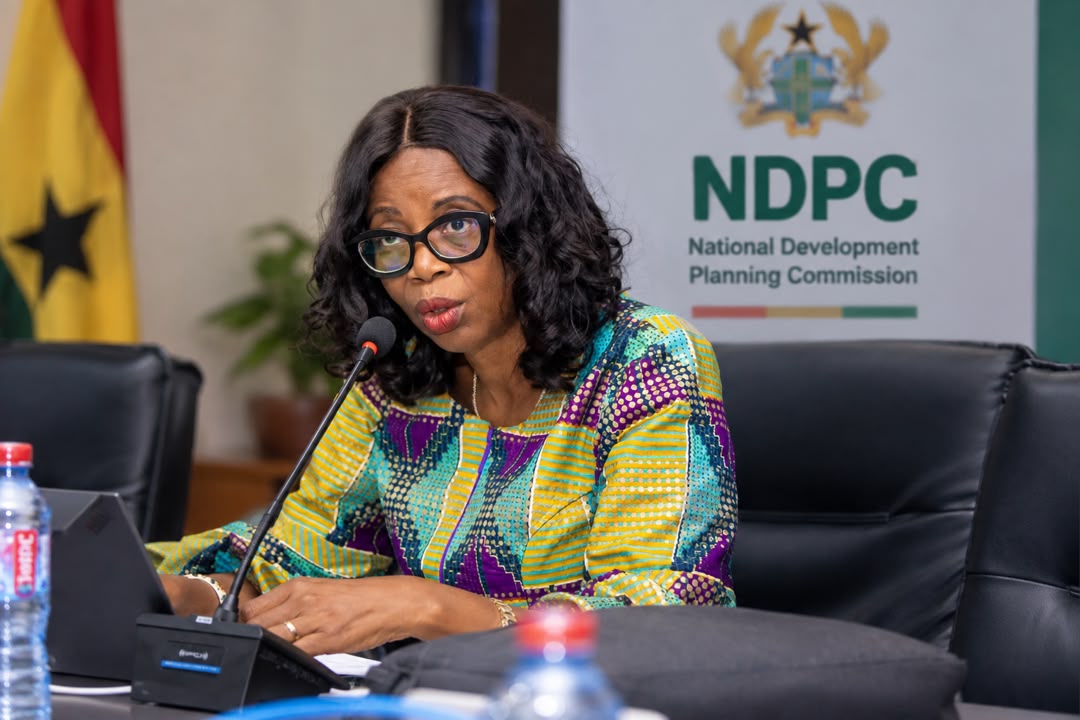
The Director-General of NDPC, Dr Audrey Smock Amoah, made the remarks during a live studio discussion on GTV’s Public Concern – The Urban Agenda programme on Tuesday, 28 July 2026. The discussion, held under the theme “Ghana’s Revised National Urban Policy: Can It Transform the Country’s Cities and Communities?”, followed the recent launch of the Revised National Urban Policy and the National Slum Upgrading Strategy.
Dr Amoah said the revised policy seeks to make Ghana’s cities and towns more liveable, resilient and productive over the next decade by promoting sustainable urban development and improving the quality of life of citizens. She noted that lessons from the implementation of the 2012 National Urban Policy, which achieved about 50 per cent of its targets, had informed the review processes. According to her, the revised policy addresses gaps identified under the previous policy, particularly in institutional coordination, dissemination, implementation and follow-up monitoring.
She explained that the policy clearly defines the roles of national and sub-national institutions within Ghana’s decentralised planning system, requiring ministries, departments and agencies (MDAs), regional coordinating councils (RCCs) and metropolitan, municipal and district assemblies (MMDAs) to work collaboratively in delivering its objectives. The revised policy also provides clearer implementation arrangements by outlining specific activities and identifying the institutions responsible for their delivery, making it easier to monitor progress and strengthen institutional accountability.
Highlighting the country’s preparedness for implementation, Dr Amoah noted that almost all public sector institutions had completed their Medium-Term Development Plans for the 2026–2029 planning period. She explained that these plans were certified by NDPC after haven been assessed for consistency with the national development planning guidelines, the Medium-Term National Development Policy Framework, relevant sector legislation and applicable national development policies.
On monitoring and accountability, Dr Amoah reaffirmed NDPC’s statutory responsibility for coordinating the implementation, monitoring and evaluation of national development policies and programmes across government. She explained that public institutions are required by law to submit quarterly and annual progress reports to the Commission, which are consolidated into the National Annual Progress Report for submission to both Parliament and the President.
She further observed that Parliament’s increasing scrutiny of sector performance, including engagements with ministries on their contributions to the National Annual Progress Report, would strengthen institutional accountability and contribute to improved policy implementation across government.
Beyond implementation arrangements, Dr Amoah identified weak enforcement of planning regulations as one of the greatest obstacles to achieving sustainable urban development in Ghana. She explained that while metropolitan, municipal and district assemblies serve as the designated planning authorities with legally enforceable by-laws, enforcement is frequently weakened by personal interventions on behalf of offenders. According to her, this undermines deterrence, encourages repeated violations and compromises orderly urban development.
She therefore called for the consistent enforcement of planning laws to protect public spaces, promote orderly physical development and improve the liveability of Ghana’s cities and towns.
Dr Amoah concluded that the success of the Revised National Urban Policy will depend not only on sound planning and clearly defined institutional responsibilities; but also on sustained collaboration among implementing agencies; effective research, monitoring and evaluation; consistent accountability; and stricter enforcement of development planning laws.
The Revised National Urban Policy and the National Slum Upgrading Strategy provide Ghana’s strategic framework for managing rapid urbanisation between 2026 and 2035, with the goal of promoting inclusive, resilient and sustainable urban development nationwide.
END
NDPC PR-UNIT