NDPC Director-General Presents Recent Planning Guidelines and National Development Policy Frameworks at KNUST
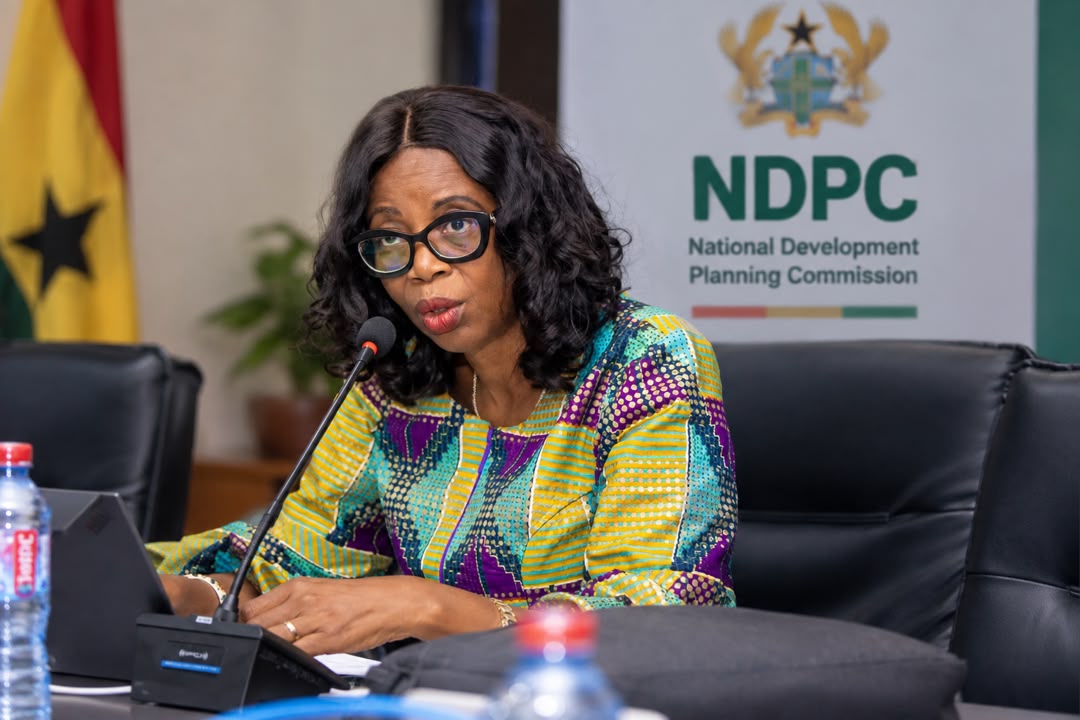
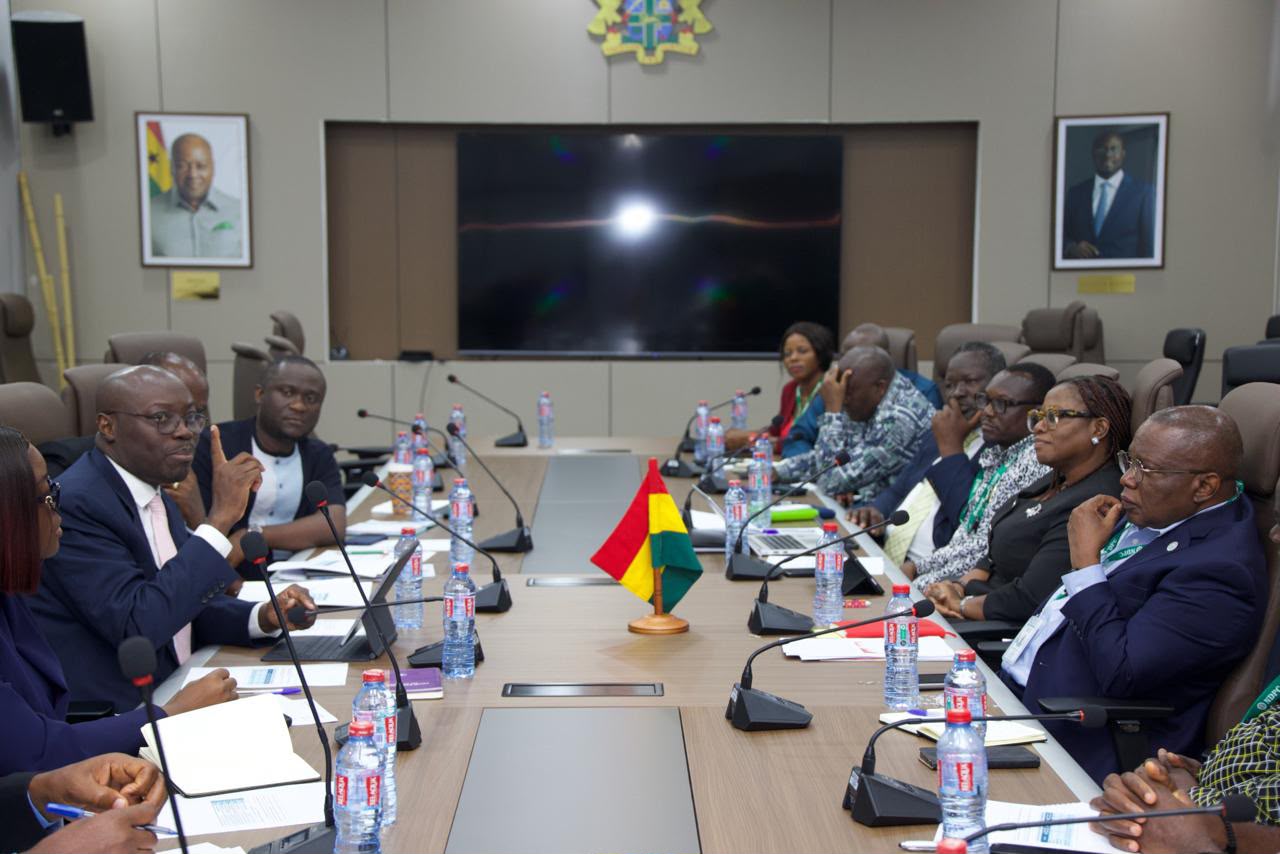
The Director-General of the National Development Planning Commission (NDPC), Dr Audrey Smock Amoah, on Thursday, 30 July 2026, engaged faculty, students, and planning and built environment practitioners and professionals at the Kwame Nkrumah University of Science and Technology (KNUST) during a policy dialogue session organised by the Department of Planning as part of activities marking the 65th Ghana Association of Student Planners (GASP) Week celebration. The session provided a platform for meaningful dialogue on strengthening Ghana's development planning system and deepening collaboration between academia and the Commission.
In his welcome address, the Head of the Department of Planning, Prof. Charles Peprah, warmly welcomed the Director-General back to her alma mater and described the engagement as a valuable opportunity to strengthen the link between planning education and professional practice. He encouraged students and faculty to take advantage of the session to gain first hand insights into the NDPC's planning guidelines and Ghana's evolving national development policy framework.
Chairing the session, the Provost of the College of Art and Built Environment, Prof. Christian Koranteng, challenged participants to move beyond diagnosing development challenges and focus on implementing practical solutions. He called for renewed commitment from academia and policy institutions to address the persistent gap between policy formulation and implementation, urging stakeholders to identify barriers to implementation, define the role that academia could play in addressing those challenges, and determine the support the Commission required from the University. He concluded by reminding participants that "Ghana does not need more plans; she needs fewer excuses," and urged all present to "stop discussing the problem and start dismantling it."
Delivering the keynote presentation on Bridging the Gap Between Policy and Practice: An Analysis of the Planning Guidelines and National Development Planning in Ghana, Dr Amoah outlined the constitutional and legal framework underpinning Ghana's national development planning system. She discussed the Coordinated Programme of Economic and Social Development Policies (2025 to 2029), the Medium Term National Development Policy Framework, the recently issued planning guidelines, the policy formulation process, and the ongoing development of a Consolidated National Development Plan. She emphasised the need for stronger coordination, evidence based planning, effective monitoring and evaluation, and a greater focus on implementation to achieve sustainable and inclusive national development. The Director-General also highlighted the Resetting Ghana Agenda, which seeks to create jobs, promote accountability, and foster shared prosperity while advancing the country's long term development objectives.
The presentation was followed by an interactive discussion during which faculty members, students, and planning practitioners exchanged views on long term national planning, policy implementation, monitoring and evaluation, accountability, data management, and strategies for translating development policies into measurable outcomes. In response to participants' questions, the Director-General clarified that the Medium Term National Development Policy Framework operationalises the Coordinated Programme of Economic and Social Development Policies by translating its broad policy direction into policy objectives, strategies, and responsible institutions across the development dimensions. She explained that the structure of the two documents reflects their complementary roles. She also highlighted ongoing efforts to strengthen accountability through Parliament's oversight of Annual Progress Reports (APRs) submitted by Ministries, Departments and Agencies (MDAs), noting that similar accountability mechanisms would be extended to the district level to strengthen implementation and improve development outcomes.
The dialogue reaffirmed the importance of sustained collaboration between the NDPC and academia in strengthening Ghana's development planning system and equipping future planners with the knowledge and practical skills required to support national development.