NDPC PROMISES INTENSIFIED ACTION ON CONSOLIDATED LONG TERM DEVELOPMENT PLAN FOR SUSTAINABLE GROWTH
The Chairman of the National Development Planning Commission (NDPC), Dr Nii Moi Thompson, has reiterated the need for a consolidated long term national development plan to replace Ghana’s fragmented and largely unimplemented past frameworks.
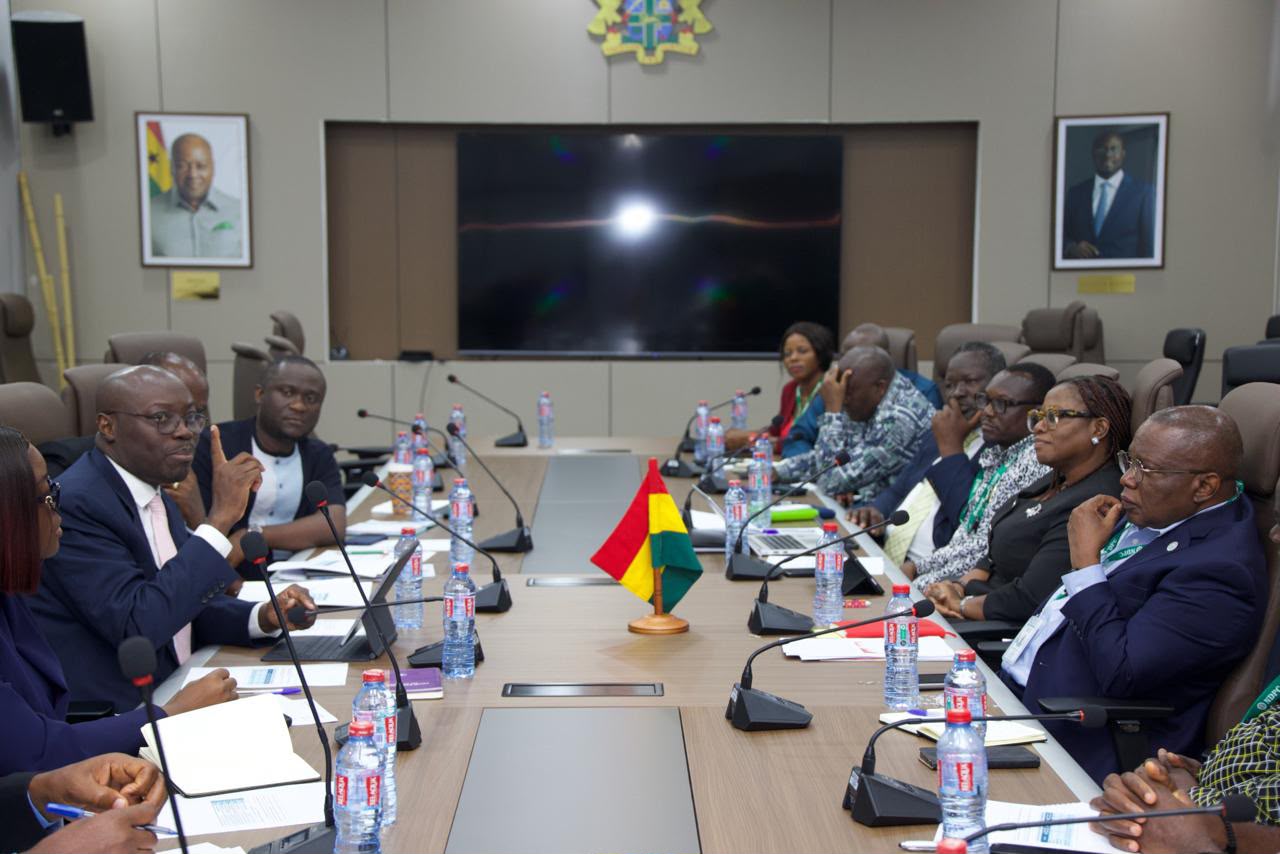
During the ongoing regional consultative engagement with key stakeholders in the Eastern Region on Thursday, 19 February 2026, Dr Thompson delivered a presentation on the proposed long term national development plan, emphasising the importance of a clear national vision and noting that policy discontinuity has undermined national progress. He referenced previous initiatives such as Ghana Beyond Aid and Vision 2057, stressing that long term planning is not about predicting the future, but about defining goals and working systematically to achieve them. “We cannot proceed with an incrementalist approach to development,” he noted, warning that without deliberate and sustained planning, Ghana risks stagnation.
He identified informality as “the weakest link” in the country’s development, observing that while 92 per cent of businesses operate in the informal sector and employ nearly 90 per cent of the workforce, they contribute only about 20 per cent to GDP due to low value addition. Dr Thompson therefore urged district assemblies to prioritise economic formalisation, business development, and models such as the Start and Improve Your Business initiative to enhance productivity and competitiveness.
Dr Thompson also called for greater adoption of technology, particularly Artificial Intelligence, to modernise planning processes and improve efficiency. He disclosed that the Commission has already begun exploring AI tools following a recent introductory session. “It will help to minimise the workload and expedite certain processes for us,” he noted, adding that he has personally used AI to summarise district development plans effectively. He expressed optimism that once fully institutionalised at the Commission level, the innovation would be extended to the regions and district assemblies.
Turning to governance and maintenance culture, he emphasised that development is not only about constructing new infrastructure but also about preserving existing assets. Drawing on the broken window theory, he cautioned that neglecting minor defects inevitably leads to systemic deterioration. “The second you see this, you are supposed to prevent it,” he remarked, citing road encroachment, school erosion, and the destruction of pavements as examples of avoidable decline that ultimately place additional burdens on government resources.
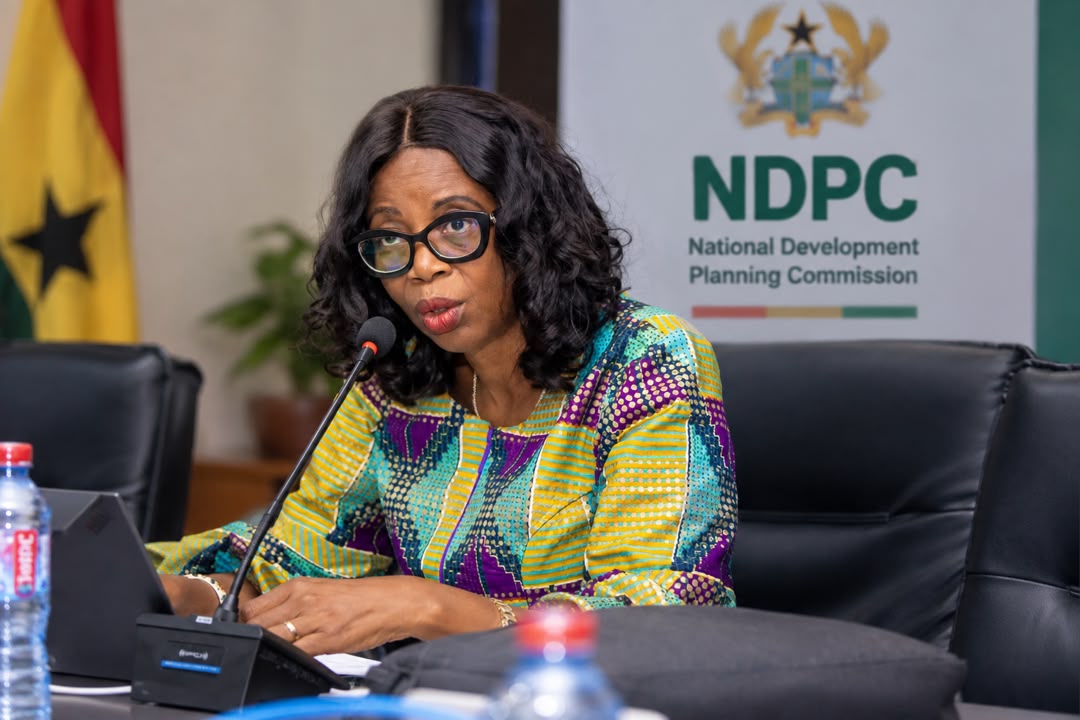
Building on the Chairman’s emphasis on deliberate planning, the Director General of the NDPC, Dr Audrey Smock Amoah, delivered a presentation on Plan Preparation, Annual Progress Reports, and the Regional Integrated Plan**, emphasising compliance and performance standards and highlighting L.I. 2232, which governs the preparation of Annual Progress Reports. Dr Amoah commended the Eastern Region for its strong performance, noting that most APRs submitted last year were rated excellent, very good, or good, while stressing that performance rankings must translate into visible development outcomes. “We want to get to a point where, apart from the rankings, when we step into the districts or the regions, we see actual development,” she stated, explaining that APRs must comprehensively capture annual activities, financial performance, implementation challenges, and recommendations for improvement.
Dr Amoah further announced that several districts had successfully secured certification of their development plans, while others were yet to address review comments. “We are still waiting for you to address your comments so that you receive your certificates,” she urged, applauding the compliant districts and noting that the Regional Coordinating Council had also attained certification.
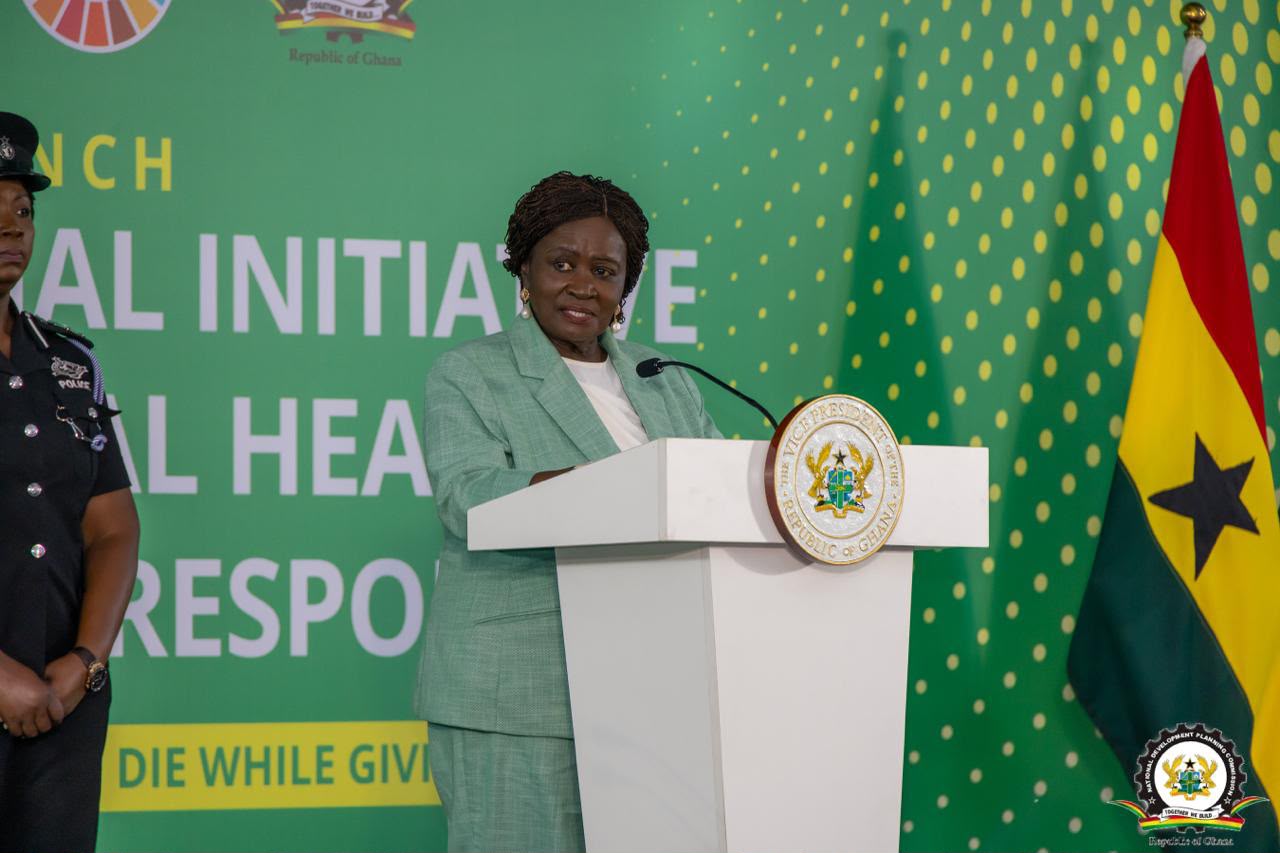
On her part, the Eastern Regional Minister, Hon Rita Akosua Adjei Awatey, underscored the importance of coherent and well aligned development planning, cautioning against the persistent challenge of abandoned projects. “Where there is one consolidated, comprehensive, and collectively owned development plan, the likelihood of project abandonment significantly reduces,” she said.
The Regional Minister described the Commission’s long term national development plan as timely and commendable, emphasising that its success will depend on effective implementation, inclusivity, and accountability. “A better tomorrow is dependent on our collective decisions and actions today,” she concluded, urging stakeholders to ensure that development remains people centred, strategic, and sustainable.
The team also paid a courtesy call on the President of the Eastern Regional House of Chiefs, where he underscored the critical need for a long-term, sustainable approach to development. Reflecting on agricultural practices, he noted that while farmers may currently sell their produce to the highest bidder, in the long run, this short-term approach could leave them worse off. “In ten years, the farmers could be the poorest,” he cautioned, stressing that true growth must account for future livelihoods, not just immediate profits. He emphasised that sustainable development is key to ensuring that economic progress benefits communities over the long term.
END
NDPC PR-UNIT