NDPC Director-General Calls for Coordinated Action to Advance Ghana’s Human Capital Development Agenda.
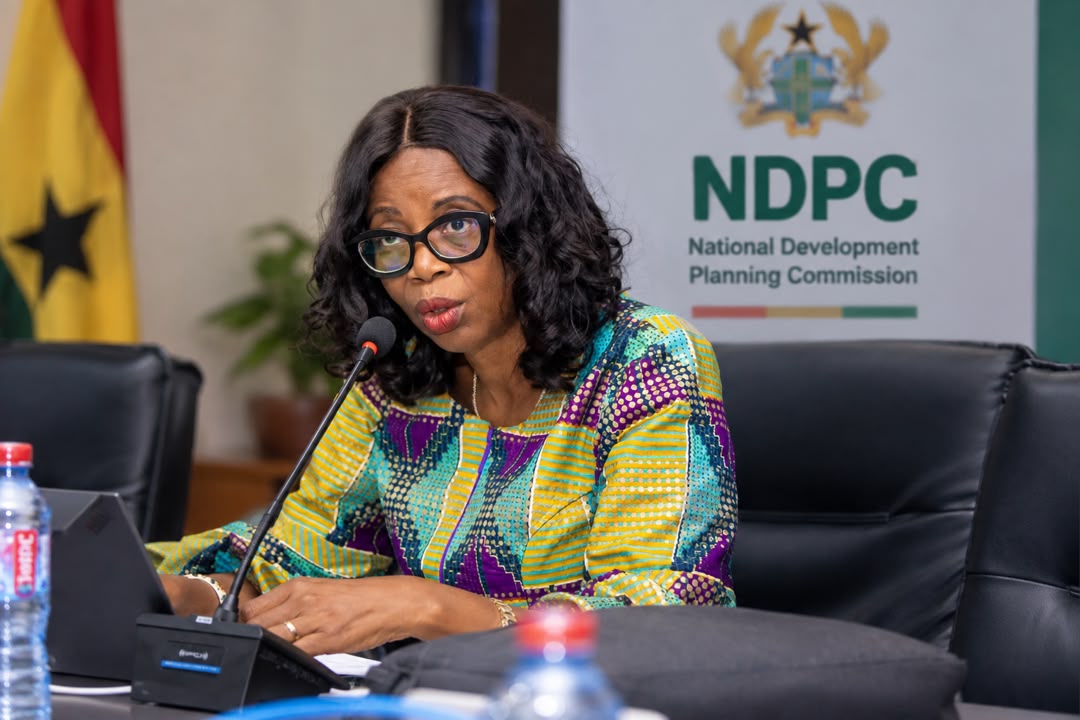
The Director-General of the National Development Planning Commission, Dr Audrey Smock Amoah, has called for stronger coordination, visible financing and institutional accountability to translate Ghana’s human capital ambitions into measurable national development outcomes.
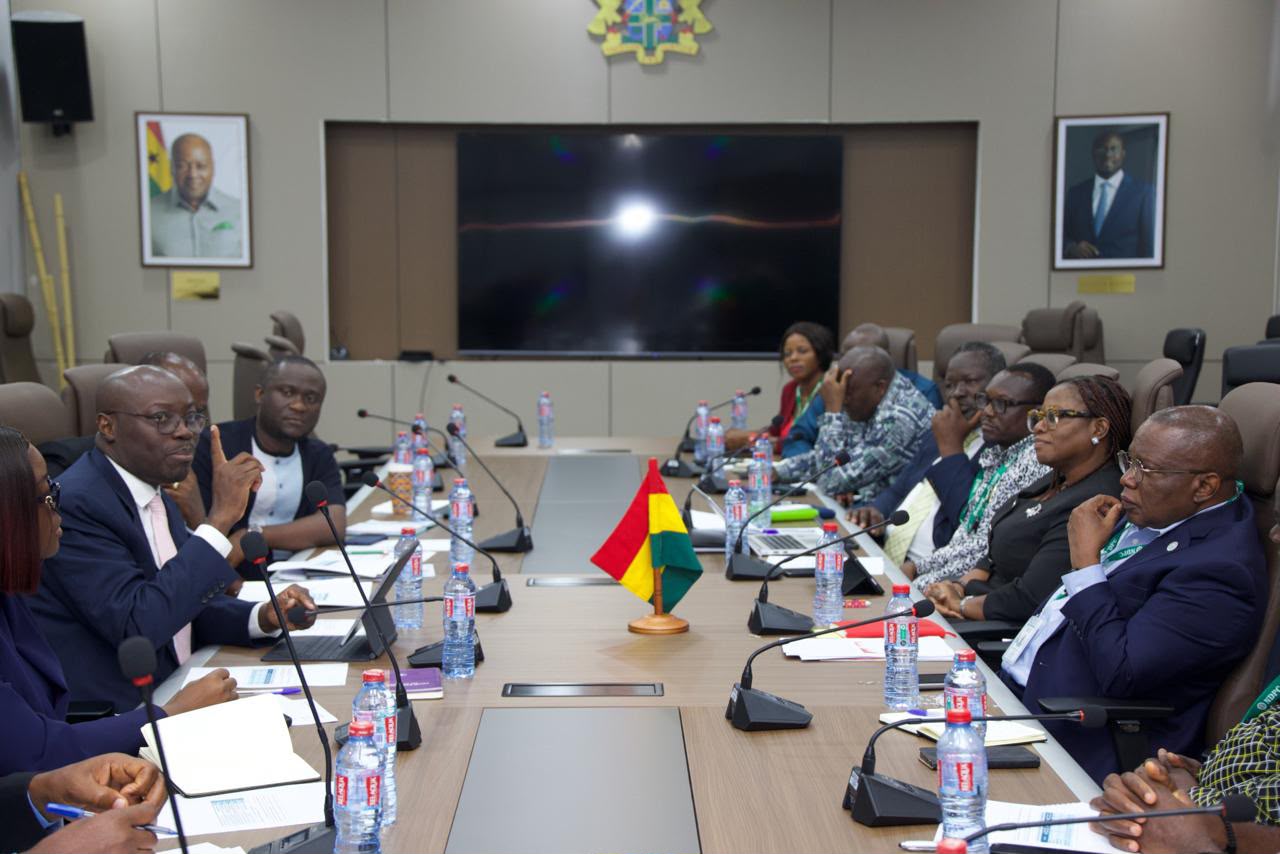
Speaking at a high-level policy dialogue on Early Childhood Care and Development (ECCD) and Human Capital Development held at the Saïd Business School on 19 May 2026, Dr Amoah emphasised that Ghana’s development future depends on how effectively the country invests in people through integrated planning and implementation systems.
The meeting, organised by Oxford Policy Management with support from the United Kingdom’s Foreign, Commonwealth and Development Office (FCDO), brought together policymakers, development practitioners and technical experts to discuss strategies for coordinated human capital development.
Presenting on the theme “Ghana’s Human Capital Development Agenda: From Policy Ambition to Coordinated Implementation and Practical Action,” Dr Amoah described human capital as “the infrastructure of national transformation,” noting that healthy, skilled and productive citizens are central to economic growth, resilience and social inclusion. “The Human Capital Development Strategy is not merely a social sector document; it is fundamentally a growth, productivity and inclusion strategy,” she stated.
Dr Amoah explained that the Human Capital Development Strategy (HCDS) is designed to align long-term national aspirations with practical implementation across sectors and levels of governance. She noted that the strategy fits within Ghana’s existing planning architecture, including the Coordinated Programme of Economic and Social Development Policies (CPESDP) 2025 to 2029 and the Medium-Term National Development Policy Framework (MTNDPF) 2026 to 2029. “The HCDS translates Ghana’s long-term ambition into a coordinated people-centred development agenda,” she emphasised.
She identified six critical enabling conditions for successful implementation of the HCD agenda: coordination and leadership, data and monitoring systems, financing alignment, institutional incentives, political economy management and sustained cross-sectoral momentum.
As part of the practical implementation roadmap, Dr Amoah proposed a 12-month action agenda, which includes updating the draft HCD Strategy, mapping financing flows across sectors, developing coordination and accountability matrices, agreeing on common indicators and piloting integrated ECCD planning in selected districts.
She urged stakeholders to ensure that the outcomes of the Oxford dialogue translate into practical national action.
The Director-General was accompanied to the policy dialogue by Mr Peter Francis Xavier Porekuu, Chief Analyst and Mr Stephen Ampem-Darko , Principal Planning Analyst.