NDPC Director-General Highlights Nutrition and Sustainable Financing at Micronutrient Forum
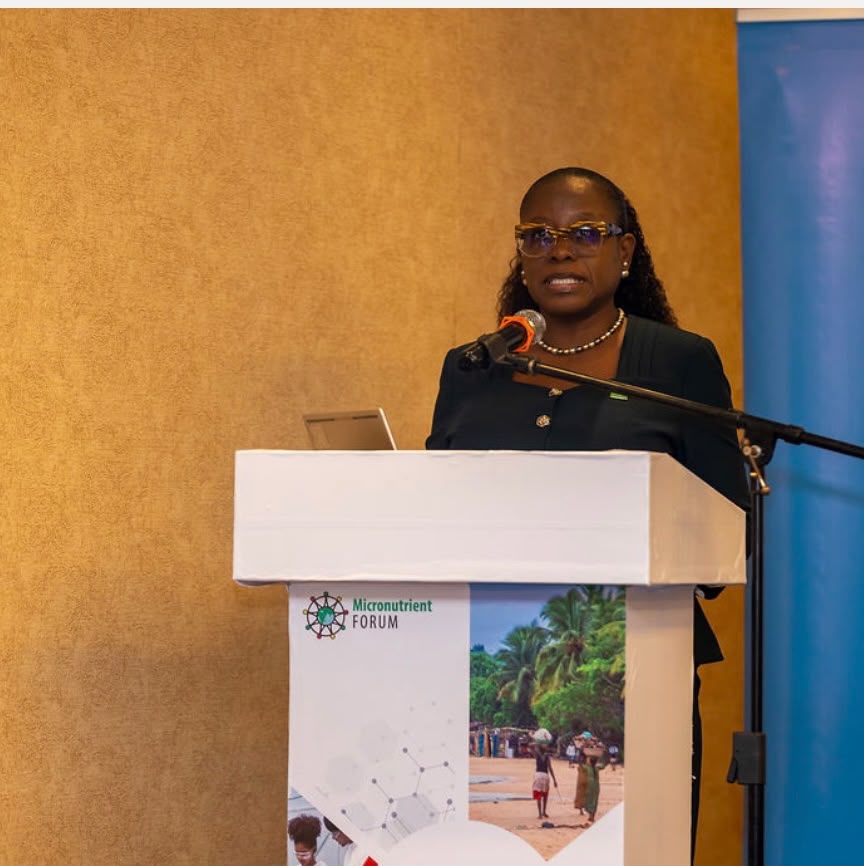
Nutrition is increasingly being recognised as a critical component of Ghana’s development planning, with discussions focusing on how stronger coordination, financing and evidence can improve nutrition outcomes across the country. This formed the focus of a symposium organised as part of the Micronutrient Forum 2026 in Accra, under the theme, “Accelerating Nutrition Action Through Multisectoral Collaboration and Sustainable Financing: Lessons from Ghana.”
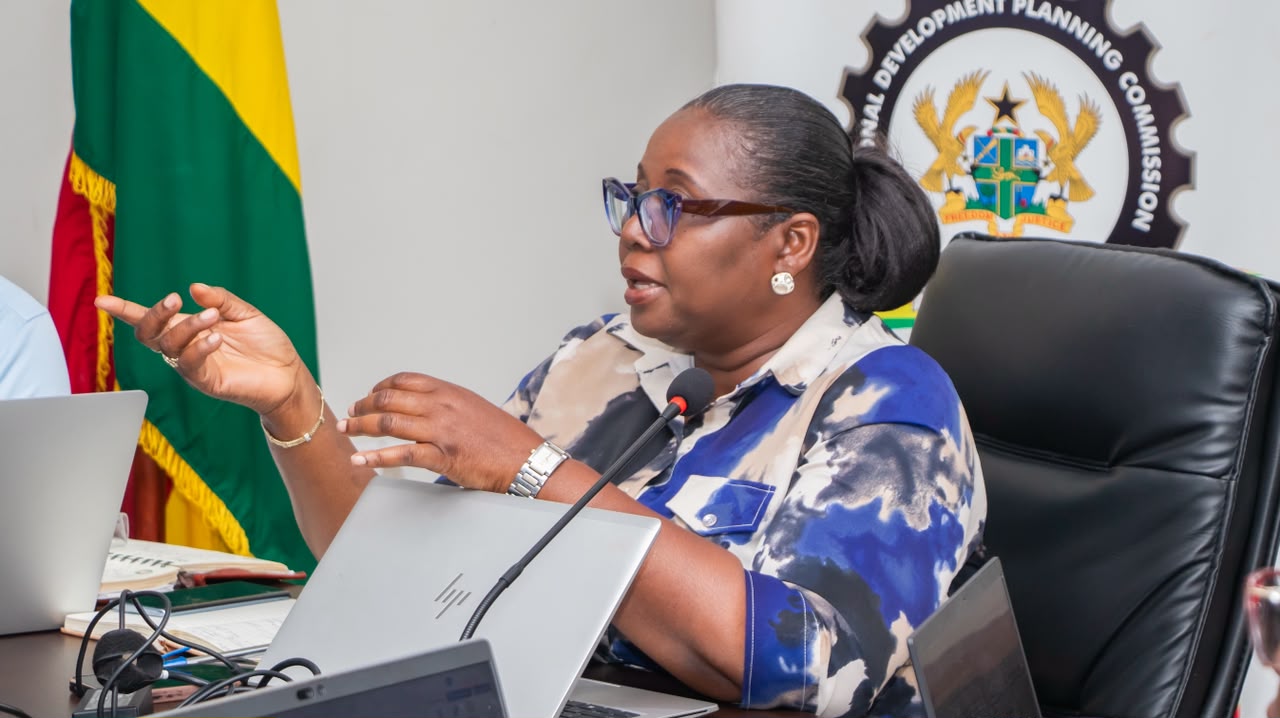
The Director-General of the National Development Planning Commission (NDPC), Dr Audrey Smock Amoah, said nutrition had implications far beyond the health sector and was closely linked to human capital development, education, productivity and resilience.
“Nutrition is not only a health concern. It is a national development priority that shapes human capital, educational attainment, productivity, resilience and the prospects of future generations,” she stated.
She noted that Ghana had established policies, institutions and coordination platforms for nutrition, but translating these arrangements into coherent implementation, sustained investment and measurable results remained important.
Dr Amoah explained that Ghana’s approach brings together sectors including health, agriculture, education, water, sanitation and hygiene, social protection, local economic development and public finance.
She said the Food Systems and Nutrition Security Cross-Sectoral Planning Group provides an avenue for these actors to work around a common agenda and strengthen the integration of nutrition priorities into sector and district development plans.
“Multisectoral collaboration must be more than periodic consultation. It must influence how priorities are set, how programmes are designed, how resources are allocated and how performance is assessed,” she said.
The UNICEF Ghana Representative, Mr Andy Brooks, said Ghana’s commitment to nutrition was reflected in its development planning and multisectoral coordination mechanisms. He said translating that commitment into sustained and adequate investment at scale remained important, noting that nutrition budget tracking could help identify where resources were concentrated, where gaps persisted and how domestic and partner resources could be better aligned with national priorities.
He also emphasised the importance of linking financing to planning, budgeting and accountability processes.
In her closing remarks, Dr Amoah identified three areas that needed to be prioritised: strengthening coordination within existing national and decentralised planning systems; improving nutrition financing, expenditure tracking and accountability across sectors; and using evidence to scale interventions that can deliver equitable and lasting nutrition outcomes.
She said the symposium had reinforced the importance of functional governance, sustained financing, coordinated implementation and accountability across sectors and levels of government.