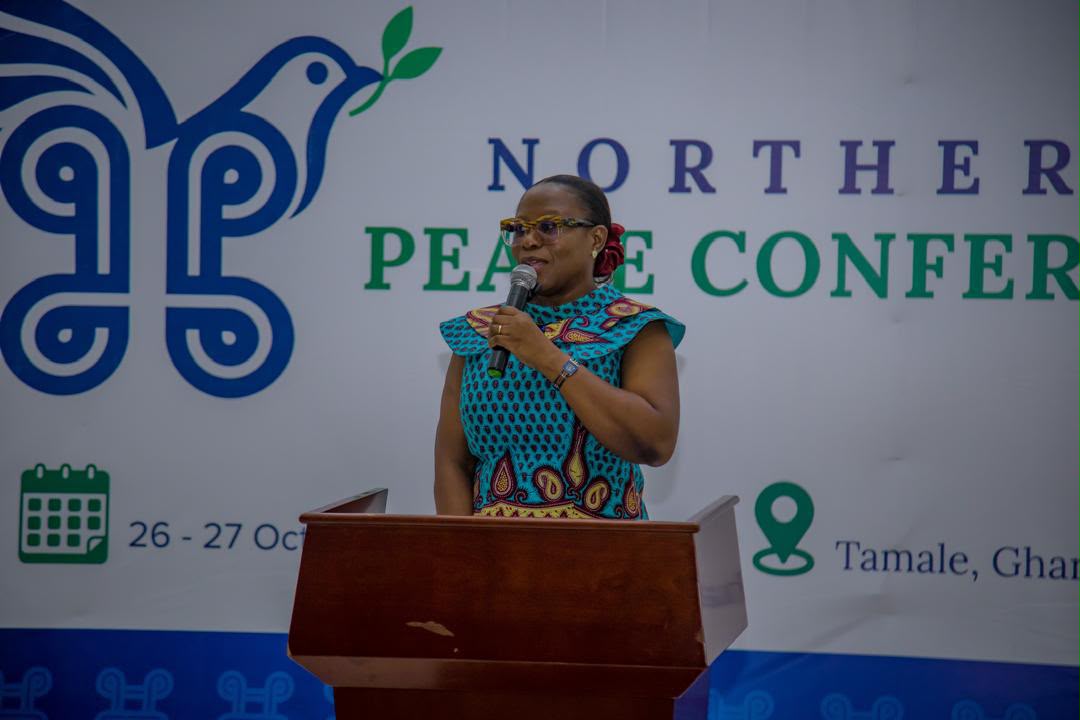
NDPC Emphasises Gender-Responsive Planning in Women’s Economic Empowerment
The National Development Planning Commission (NDPC) has emphasised the importance of gender-responsive development planning in advancing women’s economic empowerment and promoting inclusive national development.
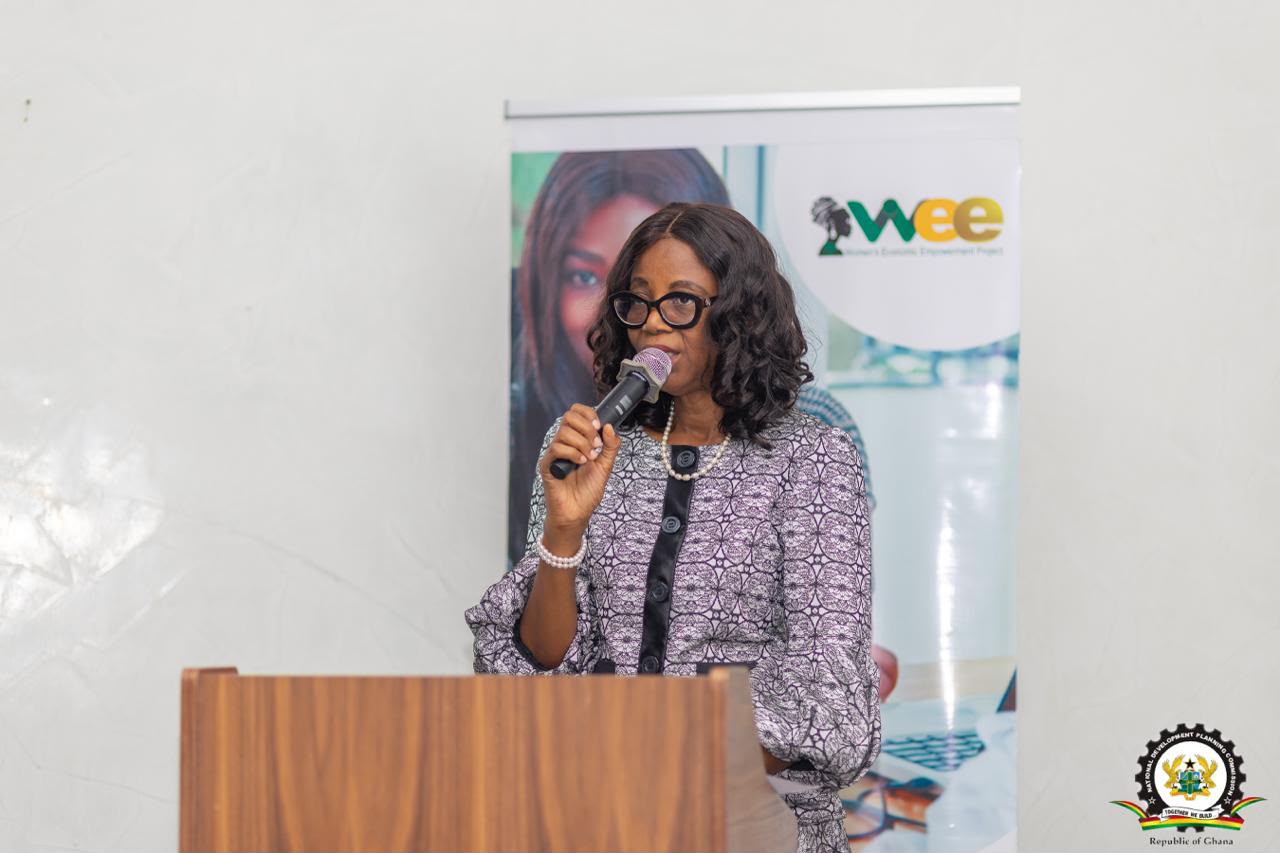
This was the focus of the WEE-Ghana Close-Out Conference held on Tuesday, 10 November 2026, in Accra, under the theme, “Beyond Policy Intent: Re-examining Policies and Their Implications for Women’s Economic Empowerment in Ghana.”
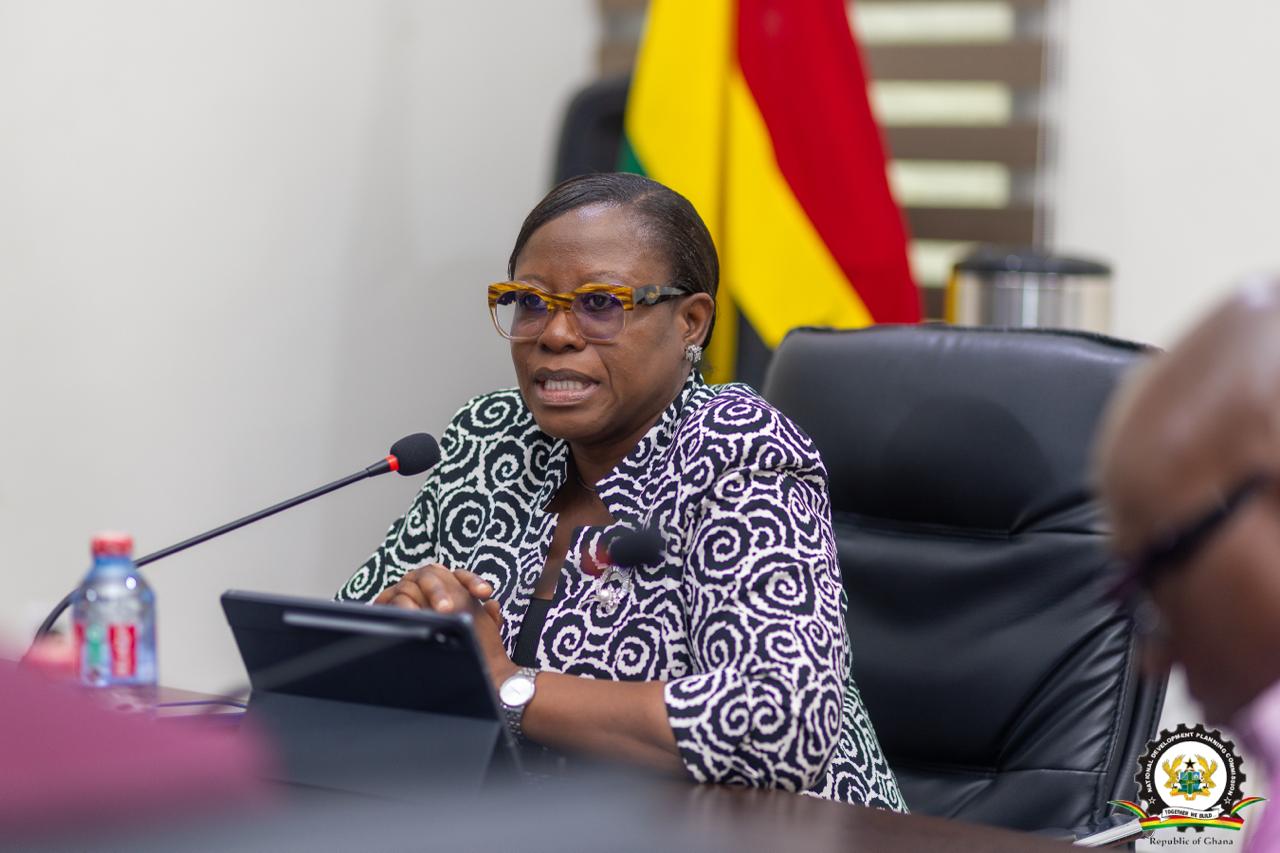
Delivering remarks on behalf of the Director-General of NDPC, the Director of Development Policy, Mrs. Alice Amekudzi, noted that women constitute 50.7 percent of Ghana’s population and make significant contributions to the country’s economy. Citing data from the Ghana Statistical Service, she indicated that 69.3 percent of employed women were self-employed, while women owned 84 percent of businesses operating in open spaces across the country.
She stressed the need to ensure that women have equitable access to finance, productive resources and decent employment opportunities. She highlighted the NDPC’s commitment to advancing gender-responsive development through the Medium-Term National Development Policy Framework (MTNDPF) 2026–2029 and two toolkits developed to support gender-responsive planning and budgeting.
These are the Toolkit for Mainstreaming Gender-Responsiveness in Planning and Budgeting and the Toolkit for Integrating Unpaid Care Work into Development Plans. The latter guides institutions in recognising and addressing the disproportionate burden of unpaid care work borne by women and girls.
Mrs. Amekudzi further noted that the WEE-Ghana Project’s research, which covers six thematic areas, including financial inclusion, digitalisation, government spending, domestic revenue mobilisation, care and employment, provides valuable evidence for identifying policy gaps and strengthening implementation. She encouraged the University of Ghana and its partners to share the research findings with relevant government institutions to inform policy decisions and development planning processes.
She urged stakeholders to move beyond policy commitments towards concrete actions that deliver tangible benefits for women. She also congratulated the University of Ghana, the WEE-Ghana research team, the Network for Women’s Rights in Ghana (NETRIGHT) and the Executive Women’s Network (EWN) for their contributions to the successful implementation of the three-year project.
END
NDC PR-UNIT